Clay & Proprioception: Why Clay Feels Therapeutic
January 22, 2026Author: Aeryn O’Halloran
Mindy/Body Practitioner,
Nervous System Educator,
Ceramic Instructor
This article explains how working with clay engages the body’s sense of movement and pressure, helping support focus, grounding, and a settled nervous system.
Working with clay provides steady tactile and proprioceptive input through pressure, resistance, and repetitive movement. These forms of sensory input play an important role in how the nervous system orients, organizes, and regulates bodily experience.
Proprioception is the body’s internal sensory system responsible for sensing position, movement, and force. Information from receptors in the skin, muscles, joints, and connective tissue is continuously transmitted to the brain, allowing the body to coordinate movement, maintain posture, and establish a sense of physical orientation in space, even without looking (example: close your eyes and touch your nose).
When proprioceptive signals are clear and consistent, the nervous system gains reliable information about where the body is and how it is moving. This supports stability, efficiency of movement, and a felt sense of bodily presence.
Proprioceptive input is generated through activities that involve pressure, resistance, weight-bearing, and repetitive, intentional movement. These inputs help the nervous system organize sensory information and support sustained attention.
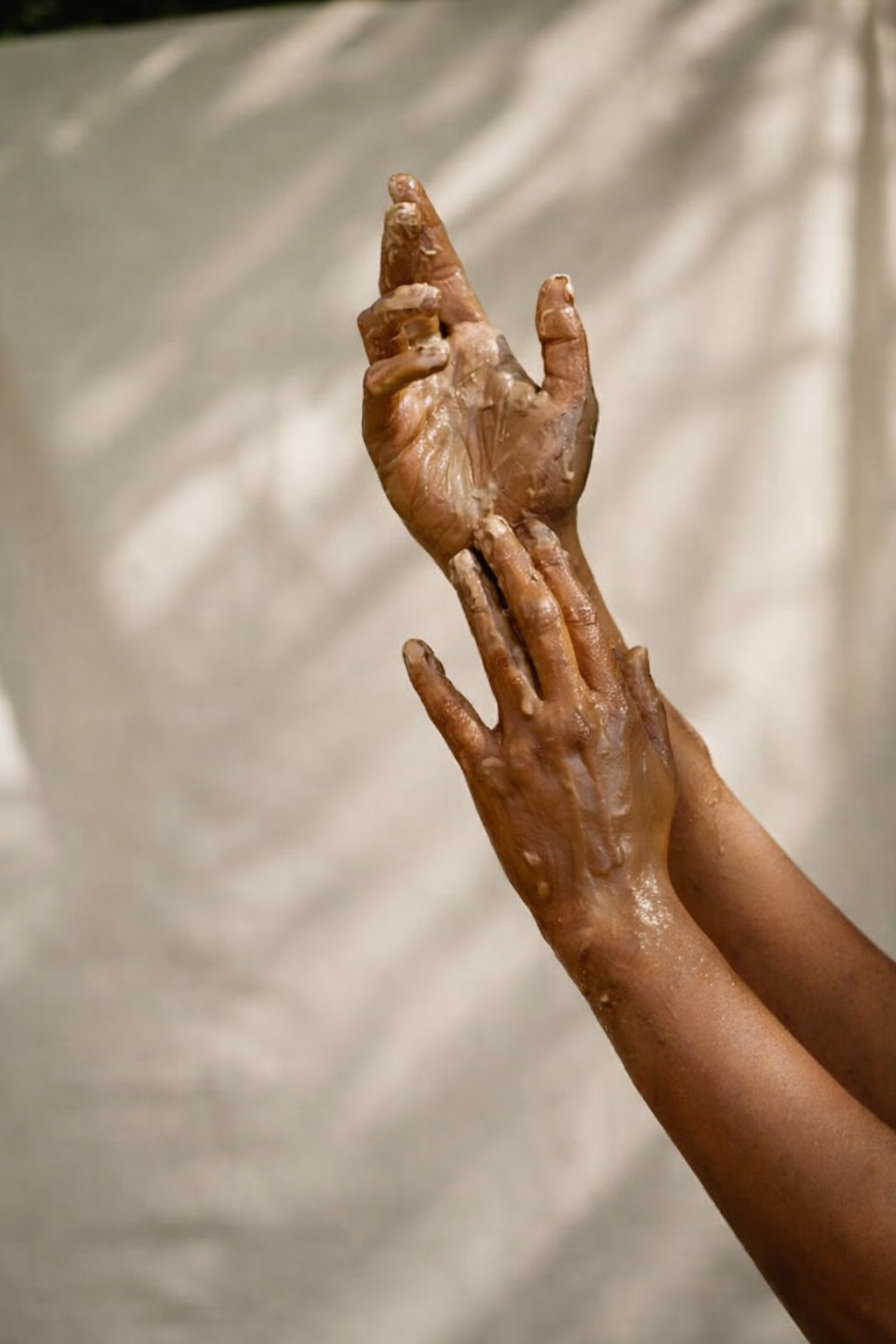
Clay naturally provides rich proprioceptive input through its physical properties and the actions required to work with it. The material offers resistance, requiring steady pressure to shape and manipulate. Hands and fingers engage in compression, squeezing, and sustained contact, while repetitive movements such as rolling, coiling, and smoothing create rhythm and continuity.
The weight and density of clay provide additional feedback, reinforcing a sense of physical presence and containment. Together, these elements create continuous, uninterrupted proprioceptive input.
When the nervous system receives consistent proprioceptive feedback, it can more easily orient and settle. For many, this supports both mental and physical well-being by reducing internal noise, supporting focus, and providing a sense of being physically grounded.
Importantly, this process does not require cognitive effort or intentional relaxation strategies. Regulation happens naturally through embodied sensory experience, allowing the nervous system to settle through physical engagement rather than mental control.
Because clay work combines resistance, repetition, and sustained tactile engagement, it offers a uniquely supportive environment for nervous system organization. The material invites focused interaction while providing the sensory conditions that support regulation and presence.
This is why working with clay is often experienced as therapeutic, not as a result of clinical intervention, but through the body’s direct sensory relationship with the material itself.